

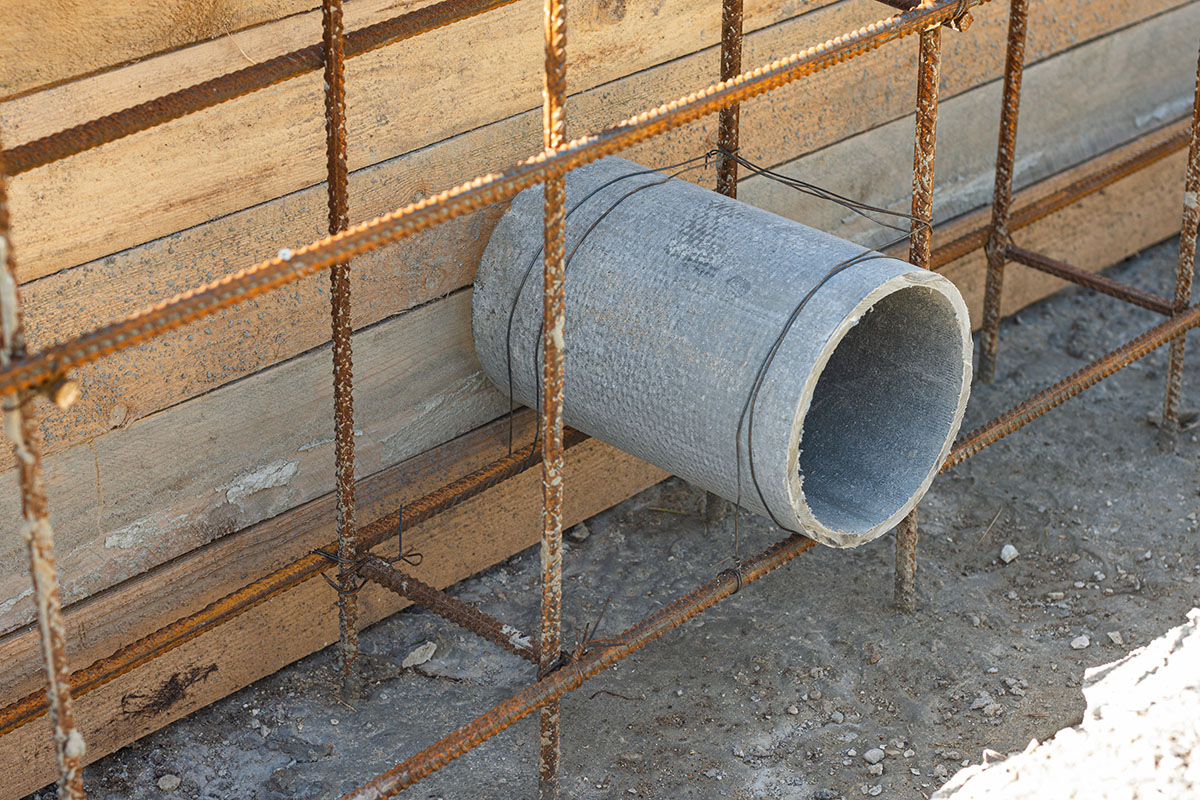
What Is Asbestos?
Asbestos is a group of minerals made of tiny fibers. These fibers are strong and heat-resistant, which is why they were used in many building materials and products. However, when asbestos is disturbed, it can release fibers into the air, which can be harmful when inhaled.
Health Issues Caused by Asbestos
Exposure to asbestos can lead to serious health problems, including:
- Mesothelioma: A rare cancer that affects the lining of the lungs and abdomen.
- Asbestosis: A chronic lung disease caused by inhaling asbestos fibers, leading to scarring of lung tissue.
- Lung Cancer: Increased risk for those who have been exposed to asbestos, especially if they smoke.
Why Asbestos Was Used in Construction
Asbestos was popular in construction for several reasons:
- Fire Resistance: It can withstand high temperatures, making it ideal for insulation.
- Durability: Asbestos materials are long-lasting and resistant to wear and tear.
- Cost-Effective: It was cheaper than many other materials available at the time.
Understanding the risks associated with asbestos is crucial, especially for veterans and their families who may encounter it in older homes or military facilities.
Identifying Asbestos in Older Homes
Common Areas Where Asbestos Is Found
Asbestos can be hidden in many places in older homes. Here are some common areas to check:
- Insulation: Often found in attics and around pipes.
- Flooring: Vinyl tiles and the adhesive used can contain asbestos.
- Roofing: Shingles and roofing felt may have asbestos fibers.
How to Test for Asbestos
If you suspect asbestos in your home, follow these steps:
- Do Not Disturb: Avoid touching or disturbing materials that may contain asbestos.
- Hire a Professional: Contact a licensed asbestos inspector to collect samples.
- Lab Testing: The samples will be sent to a lab for analysis to confirm the presence of asbestos.
When to Call a Professional
It’s important to know when to seek help:
- Visible Damage: If you see crumbling or damaged materials.
- Renovation Plans: Before starting any renovation work in older homes.
- Health Concerns: If you or your family members have been exposed or are experiencing health issues.
Military Bases with Asbestos Exposure
Branches of Military Affected
Many military branches have faced asbestos exposure, particularly:
- Army: Numerous bases built before the 1980s used asbestos in construction.
- Navy: Asbestos was commonly used in ships for insulation.
- Air Force: Asbestos was found in aircraft parts and base buildings.
Common Asbestos-Containing Materials
Asbestos was used in various materials across military bases, including:
- Insulation: Found in walls, ceilings, and pipes.
- Flooring: Vinyl tiles and linoleum often contained asbestos.
- Roofing: Some roofing materials were made with asbestos for durability.
Health Risks for Military Personnel
Exposure to asbestos can lead to serious health issues, such as:
- Mesothelioma: A rare cancer linked directly to asbestos exposure.
- Lung Cancer: Increased risk for those exposed to asbestos fibers.
- Asbestosis: A chronic lung condition caused by inhaling asbestos fibers.
Veterans diagnosed with mesothelioma, including epithelioid types, may want to explore more epithelioid mesothelioma treatments and outcomes, as well as stage 4 lung cancer, to understand their options better.
VA Loan Requirements and Asbestos
Minimum Property Requirements
When veterans seek a VA loan, certain property standards must be met to ensure safety and livability. Here are key points regarding asbestos:
- Health Concerns: Any health hazard, including asbestos, can affect a home’s eligibility for a VA loan.
- Local Regulations: Homeowners should check local laws about asbestos to understand what is required in their area.
- Professional Help: If asbestos is found, hiring a certified removal company may be necessary to meet VA standards.
Impact on Home Appraisals
Asbestos presence can influence the appraisal process:
- Appraiser’s Role: VA appraisers are not required to look for asbestos, but if they find it, they may flag the property.
- Health Hazard: If asbestos is deemed a health risk, the home may not pass the appraisal until the issue is resolved.
- Repair Needs: Deteriorating materials containing asbestos may need repairs before the home can be approved for a loan.
Steps to Meet VA Loan Standards
To ensure a home meets VA loan requirements regarding asbestos, follow these steps:
- Assessment: Have a professional inspect the home for asbestos.
- Remediation: If asbestos is found, determine if removal or encapsulation is necessary.
- Documentation: Keep records of any inspections and remediation work done to present to the VA.
Asbestos Removal and Safety Measures
When Removal Is Necessary
Removing asbestos is crucial when it poses a risk to health. Here are some situations when removal should be considered:
- Damaged Materials: If asbestos-containing materials are broken or crumbling, they can release harmful fibers into the air.
- Renovation Plans: If you plan to remodel or renovate an area with asbestos, it’s safer to remove it first.
- Health Concerns: If someone in the home has health issues related to asbestos exposure, removal may be necessary.
Hiring a Professional Asbestos Abatement Company
It’s important to hire trained professionals for asbestos removal. Here’s what to look for:
- Certification: Ensure the company is certified and follows local regulations.
- Experience: Choose a company with a good track record in asbestos removal.
- Safety Measures: They should use proper safety gear and techniques to protect everyone involved.
Safety Precautions During Renovation
If asbestos is present, taking safety measures is essential:
- Seal Off Areas: Use plastic sheets to seal off the work area to prevent dust from spreading.
- Wear Protective Gear: Workers should wear masks, gloves, and coveralls to avoid exposure.
- Proper Disposal: Asbestos waste must be disposed of in special bags at designated landfills to ensure safety.
Legal and Financial Assistance for Veterans
VA Benefits for Asbestos-Related Diseases
Veterans who have been exposed to asbestos may qualify for various benefits. If diagnosed with epithelioid mesothelioma, you can explore veteran mesothelioma legal assistance to find out more about compensation and legal support for asbestos exposure claims. Here are some key points:
- Disability Compensation: Veterans can receive monthly payments if they have health issues linked to asbestos exposure.
- Health Care Services: The VA provides medical care for conditions caused by asbestos, including regular check-ups and treatments.
- Vocational Rehabilitation: This program helps veterans who are unable to work due to their health issues find suitable employment or training.
Filing for Compensation
If a veteran is diagnosed with an asbestos-related disease, they can file for compensation. The process includes:
- Gathering Medical Records: Collect all relevant medical documents that show the diagnosis and treatment.
- Submitting a Claim: Fill out the necessary forms and submit them to the VA.
- Follow-Up: Stay in touch with the VA to check the status of the claim and provide any additional information if needed.
Resources for Legal Help
Veterans can access various resources for legal assistance:
- Veterans Service Organizations: Many organizations offer free legal advice and help with claims.
- Legal Aid Clinics: Some law schools have clinics that assist veterans with legal issues.
- Mesothelioma Lawyers: Specialized lawyers can help veterans file lawsuits against companies responsible for asbestos exposure.
Secondhand Asbestos Exposure Risks
How Families Are Affected
Secondhand asbestos exposure can happen when someone in the family works with asbestos. This can lead to harmful fibers being brought home on clothes or skin. Here are some ways families can be affected:
- Direct Contact: Family members may breathe in asbestos fibers when they hug or get close to someone who has been exposed.
- Contaminated Clothing: Asbestos fibers can cling to work clothes, which can spread to other family members when they handle the clothes.
- Home Environment: If asbestos is disturbed during home renovations, it can release fibers into the air, affecting everyone in the house.
Preventing Secondhand Exposure
To keep families safe from secondhand asbestos exposure, consider these steps:
- Change Clothes: Workers should change out of their work clothes before coming home to avoid bringing fibers with them.
- Shower After Work: Taking a shower after work can help remove any asbestos fibers from the skin and hair.
- Regular Cleaning: Keep the home clean by vacuuming and dusting regularly to reduce the risk of asbestos fibers lingering in the environment.
Health Monitoring for Family Members
It’s important for families to be aware of potential health risks. Here are some actions to take:
- Regular Check-Ups: Family members should have regular health check-ups to monitor for any signs of asbestos-related diseases.
- Know the Symptoms: Be aware of symptoms like coughing, chest pain, or shortness of breath, and seek medical advice if they occur.
- Educate Family Members: Teach family members about the risks of asbestos and how to stay safe, especially if someone in the household works in a high-risk job.
Asbestos Regulations and Disclosure
Federal and State Regulations
Asbestos is highly regulated due to its health risks. Here are some key points about the regulations:
- Federal Laws: The Environmental Protection Agency (EPA) sets strict guidelines for the use and removal of asbestos.
- State Laws: Many states have their own regulations that may be stricter than federal laws.
- Local Regulations: Local governments may also have specific rules regarding asbestos handling and disposal.
Disclosure Requirements for Sellers
When selling a home, sellers must disclose any known asbestos issues. Important points include:
- Full Disclosure: Sellers must inform potential buyers about any asbestos present in the home.
- Documentation: Providing documentation of any asbestos inspections or removals is often required.
- Buyer’s Rights: Buyers have the right to request an inspection for asbestos before finalizing the purchase.
Buyer’s Rights and Responsibilities
Buyers should be aware of their rights and responsibilities regarding asbestos:
- Right to Inspect: Buyers can hire professionals to inspect for asbestos before buying a home.
- Understanding Risks: Buyers should educate themselves about the risks associated with asbestos exposure.
- Negotiating Repairs: If asbestos is found, buyers may negotiate repairs or removal with the seller.
Steps to Take if You Suspect Asbestos
Initial Assessment
If there are signs of asbestos in your home, it’s important to take the right steps:
- Look for Signs: Check for old insulation, floor tiles, or roofing materials that may contain asbestos. Homes built before the 1980s are more likely to have these materials.
- Avoid Disturbing Materials: If you suspect asbestos, do not touch or disturb the materials. This can release harmful fibers into the air.
- Document Your Findings: Take notes and photos of any suspicious materials to share with professionals later.
Professional Inspection
Getting a professional involved is crucial:
- Hire a Licensed Inspector: Look for a certified asbestos inspector who can safely assess your home.
- Testing for Asbestos: The inspector will take samples and send them to a lab for testing. This will confirm if asbestos is present.
- Review the Results: Once you receive the results, discuss the next steps with the inspector.
Planning for Safe Renovation
If asbestos is found, careful planning is needed:
- Consider Removal or Encapsulation: Depending on the condition of the asbestos, it may need to be removed or sealed.
- Hire Professionals for Removal: If removal is necessary, hire a licensed asbestos abatement company to do the work safely.
- Follow Safety Guidelines: Ensure that all safety measures are in place during the renovation to protect everyone in the home.
Support and Resources for Affected Veterans
Veterans Support Organizations
Veterans facing health issues related to asbestos exposure can find help through various organizations. Here are some key resources:
- Mesothelioma Veterans Center: Offers support for veterans diagnosed with mesothelioma, including help with VA benefits and treatment options.
- Veterans Affairs (VA): Provides medical care and benefits for veterans, including those affected by asbestos-related diseases.
- Support Groups: Local and online groups can provide emotional support and share experiences among veterans.
For veterans specifically diagnosed with epithelioid mesothelioma, there are specialized mesothelioma resources for veterans that provide both medical and legal support tailored to this unique diagnosis.
Accessing Medical Care
Getting the right medical care is crucial for veterans dealing with asbestos-related health issues. Consider these steps:
- Schedule Regular Check-Ups: Regular visits to a healthcare provider can help monitor any health changes.
- Seek Specialists: Look for doctors who specialize in asbestos-related diseases, such as pulmonologists or oncologists.
- Utilize VA Health Services: Veterans can access specialized care through VA hospitals and clinics.
Emotional and Psychological Support
Dealing with health issues can be overwhelming. Here are ways to find support:
- Counseling Services: Professional counseling can help veterans cope with anxiety and depression related to their health.
- Peer Support Programs: Connecting with fellow veterans can provide comfort and understanding.
- Hotlines: Many organizations offer hotlines for immediate support and guidance.
Case Studies and Survivor Stories
Veteran Experiences with Asbestos Exposure
Many veterans have shared their stories about facing asbestos exposure during their service. Here are some key points from their experiences:
- Common Locations: Veterans often encountered asbestos in barracks, ships, and maintenance facilities.
- Symptoms: Many reported respiratory issues years after exposure, leading to serious health problems.
- Support Systems: Veterans found comfort in connecting with others who faced similar challenges, forming support groups.
Successful Compensation Claims
Several veterans have successfully filed claims for compensation due to asbestos-related illnesses. Important aspects include:
- Documentation: Keeping records of service and medical history is crucial for claims.
- Legal Assistance: Many veterans sought help from lawyers specializing in asbestos cases.
- Awareness: Sharing their stories helped raise awareness about the risks of asbestos exposure in the military.
Lessons Learned from Past Cases
Veterans’ experiences have taught valuable lessons about asbestos exposure:
- Importance of Awareness: Understanding the risks associated with asbestos can lead to better safety measures.
- Advocacy: Many veterans became advocates for better regulations and support for those affected.
- Health Monitoring: Regular health check-ups are essential for early detection of asbestos-related diseases.